How to Choose an Orlando Private High School
A school change is rarely just about changing classrooms. For many families, the search for an Orlando private high school begins when a student needs more attention, a safer setting, a schedule that works, or a clearer route to graduation. For adults returning to school, it may begin with an unfinished diploma standing between them and a better job, college enrollment, military service, or a career certification.
The right school should make the next step feel realistic. That means looking beyond a campus brochure or a general promise of small classes. Families and adult learners need clear answers about accreditation, graduation requirements, instructional support, scheduling, safety, and what happens after the diploma is earned.
What an Orlando Private High School Should Offer
Private education is not one-size-fits-all. Some students thrive in a traditional daily classroom, while others need online lessons, hybrid attendance, or a program that allows them to work while completing high school. A strong private school recognizes those differences without lowering expectations.
Accreditation should be one of the first questions. An accredited high school diploma provides a structured academic record that can support college applications, workforce opportunities, trade programs, and military goals. Families should ask which accreditation the school holds, how credits are evaluated, and whether the diploma pathway is designed for the student’s intended next step.
This distinction matters for students who are considering a GED. A GED can be the right choice in certain situations, but it is not the same as completing an accredited high school diploma program. Students who need a more flexible route should be able to explore accelerated diploma completion options while still receiving instruction, credit planning, and guidance toward graduation.
A quality school should also explain its academic expectations plainly. Ask how placement works, what support is available when a student falls behind, how progress is measured, and how often parents or adult students receive updates. Clear communication creates confidence and helps prevent small academic gaps from becoming graduation delays.
Flexibility Without Losing Structure
Flexibility is valuable only when it is paired with a plan. Students need schedules that respect real life, but they also need deadlines, qualified instructors, and regular accountability. An online or hybrid program should not leave a learner alone with a login and a list of assignments.
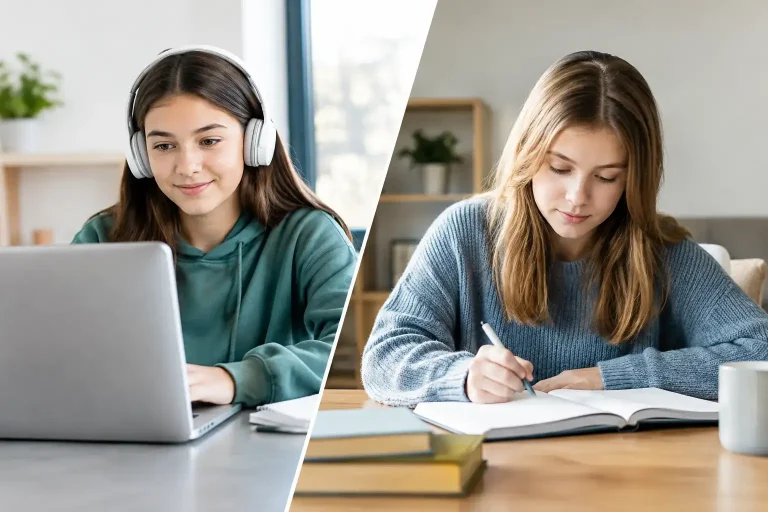
For a high school student balancing athletics, health needs, family responsibilities, or a difficult school transition, a hybrid model can offer breathing room while keeping instruction connected to a school community. For a working adult, evening-friendly, online, or self-paced options may make diploma completion possible without giving up a job.
The best arrangement depends on the student. A learner who needs face-to-face encouragement may benefit from in-person instruction and consistent campus access. A focused adult student may make strong progress in an accelerated format. Some students need both: online flexibility for part of the week and on-campus support when they need help with coursework, testing, or planning.
Before enrolling, ask how the school handles attendance, assignment pacing, teacher access, tests, and technology support. A flexible schedule should still lead to measurable progress toward credits and graduation.
Questions families should bring to admissions
A conversation with an admissions counselor should provide practical details, not vague reassurance. Families should be prepared to ask about the following:
- How are transfer credits reviewed, and how long will it take to create a graduation plan?
- Is the diploma accredited, and what postsecondary pathways do graduates pursue?
- Can students learn in person, online, or through a hybrid schedule?
- What academic help is available for students who need additional support?
- How does the school address bullying, violence, drugs, and student safety?
- Are courses or student services available for multilingual families?
The answers can reveal whether a school is prepared to support the student in front of them, rather than expecting every learner to fit a single model.
Safety, Respect, and the Ability to Focus
Academic progress is difficult when students do not feel safe. Families often seek a private school after a child has experienced bullying, classroom disruption, anxiety, or a school culture that made it hard to concentrate. Those concerns deserve direct attention.
A school should be able to explain its expectations for student conduct, how concerns are reported, who responds when a problem occurs, and how the campus maintains a respectful learning environment. Safety includes physical security, but it also includes emotional safety. Students need adults who take concerns seriously and a culture where they can ask for help without embarrassment.
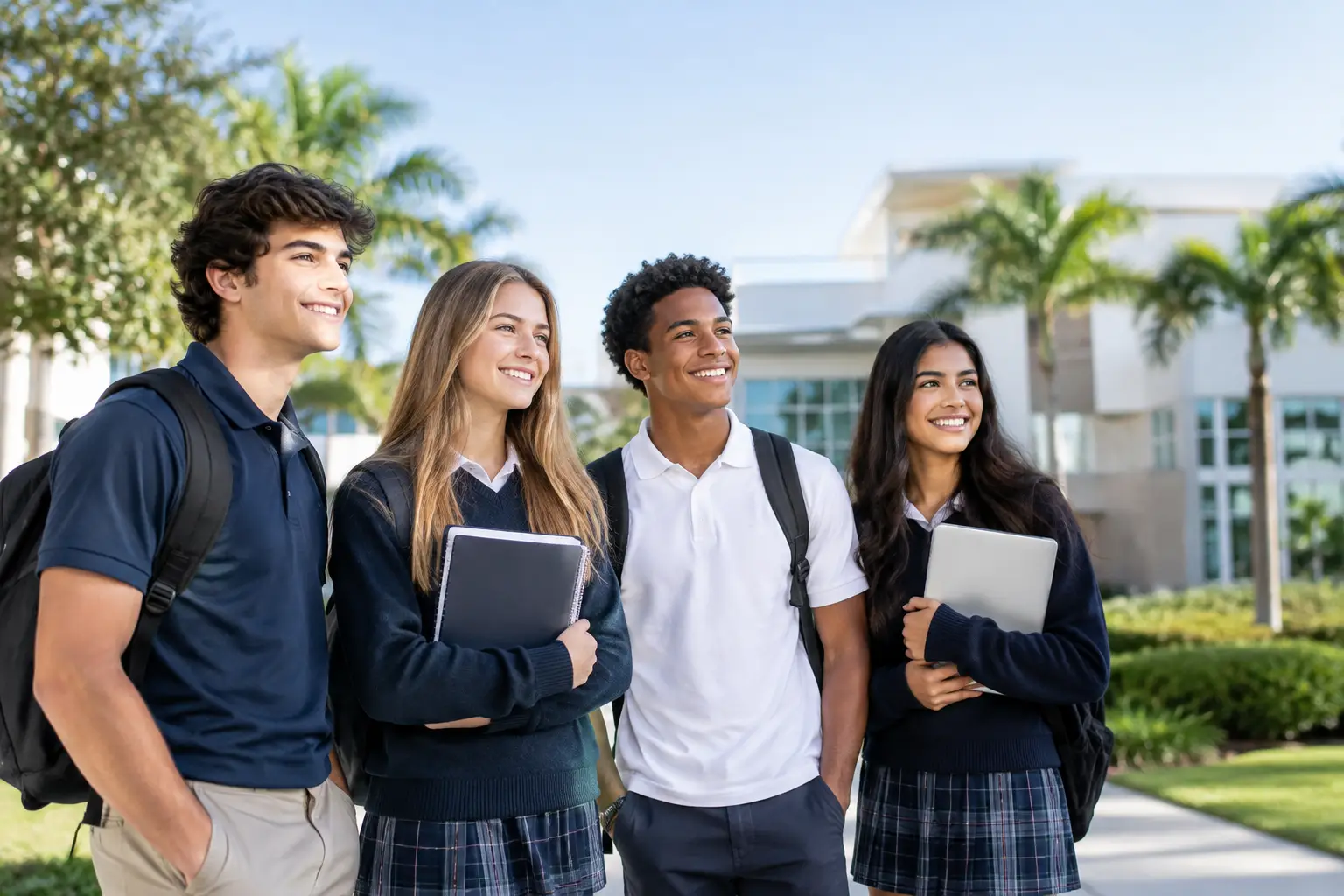
A smaller or more personalized setting can be especially helpful for students who felt invisible in a large school. However, class size alone does not guarantee support. What matters is whether teachers and specialists know students’ goals, recognize when they are struggling, and help them build confidence through achievable next steps.
For parents, regular progress communication matters. For adult learners, respectful guidance matters just as much. No student should feel ashamed for needing a second chance, additional time, or a different way to learn.
Career Readiness Belongs in the Graduation Plan
A diploma is an important milestone, but students also need to understand what it can help them do next. An Orlando private high school should connect academic completion to real goals: college admission, entry-level employment, management advancement, vocational training, professional certifications, or military enrollment.
Career-focused programs can help students see the purpose behind their coursework. A student interested in healthcare, technology, business, skilled trades, or entrepreneurship may benefit from certifications or vocational instruction that adds practical value to the diploma pathway. These opportunities are most useful when they are integrated into a realistic graduation plan, not treated as an extra promise with no schedule or support behind it.
Students who plan to attend college should discuss course selection early. Admission requirements vary by institution, and a counselor can help students choose courses that keep future options open. Students heading directly into the workforce may need a different emphasis, including career certifications, interview preparation, communication skills, and reliable academic records.
At My Dreams Academy, students can pursue accredited middle and high school instruction alongside flexible diploma completion and career-centered options. Programs are designed for youth and adults who need a practical path forward, including learners balancing work, family responsibilities, or a nontraditional schedule.
Support for Multilingual and Nontraditional Learners
Orlando is home to families with many languages, cultures, and educational backgrounds. A school that serves this community well should make communication accessible and respectful. Families should ask whether staff can provide guidance in their preferred language and whether learners can receive support while strengthening academic English.
Multilingual delivery can be especially meaningful for students and adults who understand course concepts but need instruction presented in a more accessible way. English, Spanish, Portuguese, French, and Chinese support can help families participate more fully in planning, enrollment, and academic decisions.
Nontraditional learners also benefit from schools that understand the realities behind interrupted education. A student may have transferred repeatedly, needed time away for health or family circumstances, or entered high school with missing credits. An adult may have left school years ago and now be ready to return with a clear purpose. The right program meets that history with a careful credit review and a concrete plan, not judgment.
Make the Decision With the End Goal in Mind
Choosing a private high school is not only about where a student will attend class next month. It is about whether the school can help that student finish strong and move into the next chapter with recognized credentials, useful skills, and greater confidence.
Start with the end goal. If college is the priority, confirm the academic pathway. If employment or certification is urgent, ask how quickly a student can complete credits without sacrificing instructional quality. If safety and belonging are the immediate need, learn how the school builds a respectful, supportive culture each day.
A visit, a phone call, or an admissions meeting can turn uncertainty into a plan. Bring transcripts, ask direct questions, and request a realistic timeline to graduation. The right school will not simply offer enrollment. It will help the student see a credible path from where they are now to the future they want to build.