Special Education Support in Private Schools
A student can be capable, motivated, and ready to graduate yet still struggle in a school setting that moves too quickly, offers limited flexibility, or does not respond to the way they learn. For many families, finding the right special education support private school is less about choosing a label and more about finding a structured, safe place where their child can build skills, earn an accredited diploma, and prepare for what comes next.
Private school can be a strong option for students who need smaller learning environments, a more individualized schedule, accessible instruction, or closer communication between families and educators. The right program does not lower expectations. It creates a clearer path for students to meet meaningful academic and career goals.
What Special Education Support in Private Schools Can Look Like
Special education support is not one identical service offered in every school. A student may need help with reading comprehension, written expression, attention, executive functioning, communication, emotional regulation, mobility, or a learning difference that has made traditional classrooms difficult.
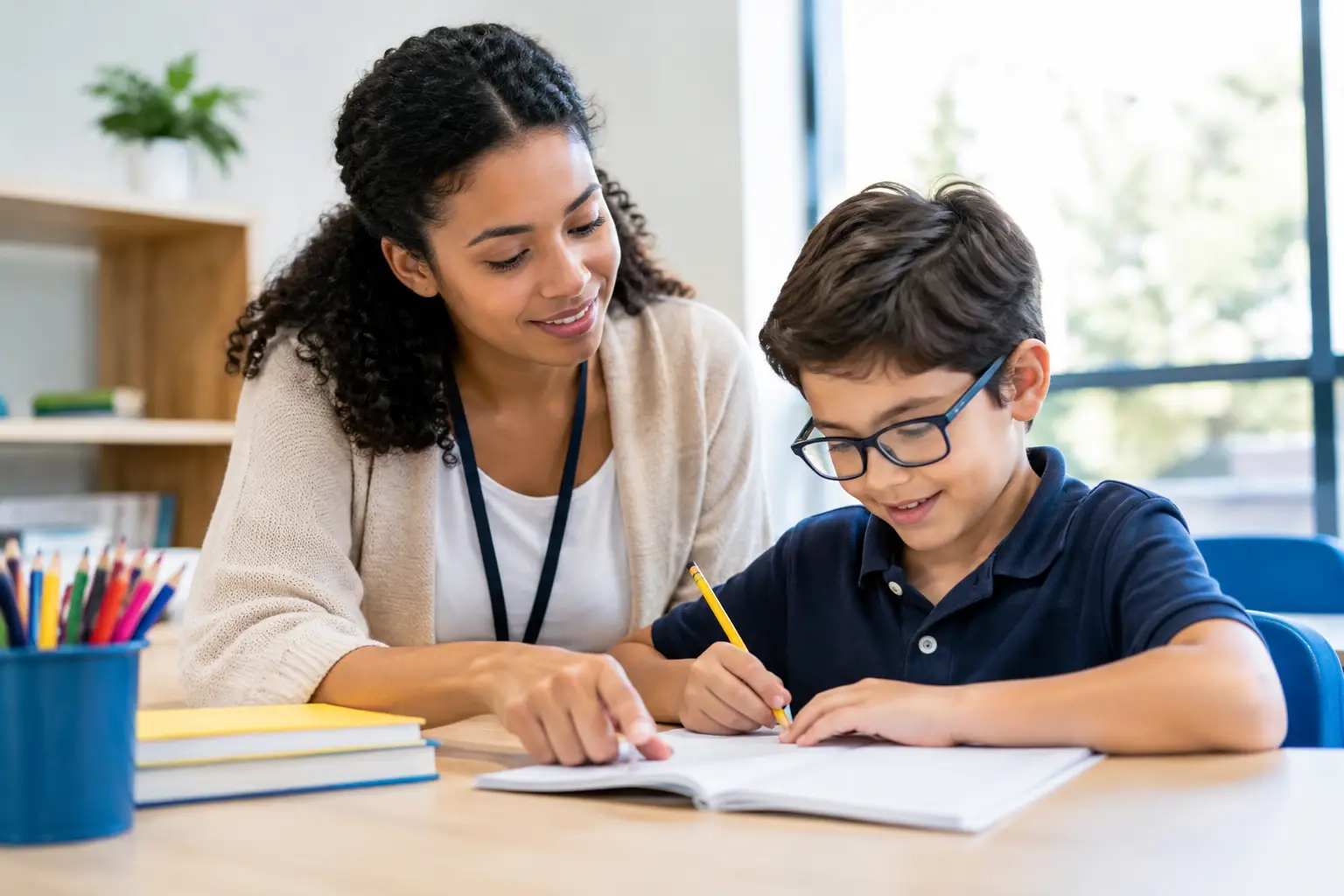
At a supportive private school, services often begin with understanding the student as an individual. Educators and support specialists review academic history, family concerns, learning needs, and future goals. From there, the school can identify reasonable strategies that help the student participate in instruction and make progress toward graduation.
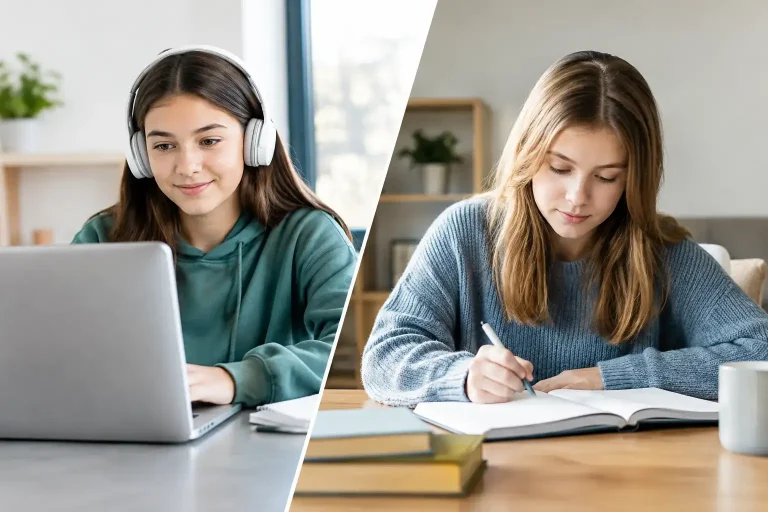
Support may include adjusted pacing, clear written directions, additional time for assignments or assessments, small-group instruction, one-on-one academic guidance, organizational coaching, accessible online coursework, and regular progress communication. For some students, a hybrid schedule or fully online option can also reduce barriers related to transportation, health, work, anxiety, or family responsibilities.
The goal is practical: students should know what is expected, receive the help they need to do the work, and remain connected to a recognized diploma pathway.
Private School Support and Public School Services Are Not Always the Same
Families should understand an important distinction before enrolling. Public schools are generally required to provide special education services under federal law for eligible students, often through an Individualized Education Program, or IEP. Private schools may operate under different requirements, and the exact support available depends on the school, the student’s needs, and the school’s resources.
That does not mean private school support is less valuable. It means families should ask direct questions instead of assuming every service transfers exactly as it appeared in a public-school setting. A school may be able to honor certain accommodations, develop an individualized learning plan, coordinate with families and outside providers, or offer instructional methods that better fit a student’s needs. In other cases, specialized therapies or services may need to be arranged separately.
A credible admissions conversation should be specific. Families deserve to know what the school can provide, who will oversee student progress, how accommodations are documented, and how concerns will be addressed during the school year.
Questions Families Should Ask Before Enrolling
Ask how the school reviews previous evaluations, IEPs, 504 plans, report cards, and transcripts. Find out whether teachers receive information about approved accommodations and how those accommodations work in online, in-person, and hybrid classes.
Also ask how often the school communicates progress, whether students can receive tutoring or small-group help, and what happens if a student falls behind. If graduation is the goal, ask how transferred credits are evaluated and whether the diploma program is accredited. These details matter because a supportive environment must also lead to a credential that colleges, employers, trade programs, and military pathways can recognize.
Why Flexibility Can Be a Meaningful Accommodation
For many students, the challenge is not intelligence or effort. It is the mismatch between a fixed school model and the student’s daily reality. A teenager with attention challenges may perform better when lessons are broken into manageable segments. A student recovering from illness may need remote access. A working adult completing high school may need evening or self-paced coursework. A multilingual learner may need clear instruction and additional time to demonstrate knowledge.
Flexible learning can make education more accessible without making it less rigorous. When schedules, formats, and support are organized around realistic student needs, learners are more likely to attend, complete assignments, and stay focused on graduation.
My Dreams Academy serves middle school and high school learners through in-person, online, and hybrid-accessible education, allowing families to consider a learning model that fits the student rather than forcing the student to fit one model. Students can pursue an accredited diploma while receiving individualized direction and exploring career-focused opportunities.
The Value of a Safe, Structured School Culture
Academic accommodations matter, but they are only part of the decision. Students who have experienced bullying, repeated discipline issues, social isolation, or discouragement may need a school culture that restores confidence as well as credits.
A positive private school environment sets clear expectations for respect, attendance, effort, and communication. It gives students room to ask questions without embarrassment and helps families stay informed. For learners who have felt overlooked in large classrooms, being known by teachers and staff can change how they approach school.
Structure is especially valuable for students who need help with planning and follow-through. Regular check-ins, visible graduation requirements, consistent deadlines, and supportive accountability can turn an overwhelming goal into a series of achievable steps. Students should be encouraged, but they should also understand that a diploma is earned through steady participation and completed coursework.
Keep Graduation and Career Goals in the Same Conversation
Families should not have to choose between academic support and preparing for life after school. The best private school pathways connect both. A student may want to complete core credits, earn an accredited high school diploma, explore a vocational certification, prepare for college, or meet requirements for employment advancement.
Career-centered learning can be particularly motivating for students who have disengaged from traditional school. When learners see how math, communication, technology, and professional habits connect to a future job, they often find a stronger reason to persist. This is not a shortcut around academics. It is a way to make academics purposeful.
An accredited diploma also offers a more structured long-term option than simply preparing for a high school equivalency exam. The right choice depends on the student’s timeline, credit history, and future plans, but families should understand how each credential may affect college admissions, career training, military eligibility, and employer requirements.
Progress Should Be Measurable
Support works best when it is reviewed regularly. Families should expect clear information about attendance, coursework completion, grades, credit status, and graduation planning. Students benefit when they can see the progress they are making, even if they are completing school one course or one credit at a time.
For students with learning differences, progress may also include stronger self-advocacy. Learning to request clarification, use approved accommodations, manage time, and communicate professionally are skills that carry into college, training programs, and the workplace.
Choosing a School That Sees the Whole Student
A special education support private school should never make broad promises before understanding a student’s needs. The strongest schools listen carefully, explain their programs honestly, and build a practical plan around academic records, learning needs, scheduling realities, and future goals.
Start by gathering recent transcripts, evaluations, IEP or 504 documentation if applicable, and a list of the supports that have helped or not helped in the past. Then speak with an admissions counselor about the student’s goals, whether that means middle school success, accelerated credit completion, an accredited diploma, career certification, college preparation, or a new beginning after a difficult school experience.
Every student deserves an educational setting where support leads somewhere concrete. With the right guidance, a flexible structure, and a clear graduation plan, school can become a place where students regain momentum and begin building the future they want.